Repiping & Whole-Home Pipe Replacement in Columbia, SC
When one repair is followed by another, the problem is the pipe, not the leak. Repiping replaces the supply system in one planned job.
- Copper, PEX or CPVC
- Planned in one job
- Wall repair guidance
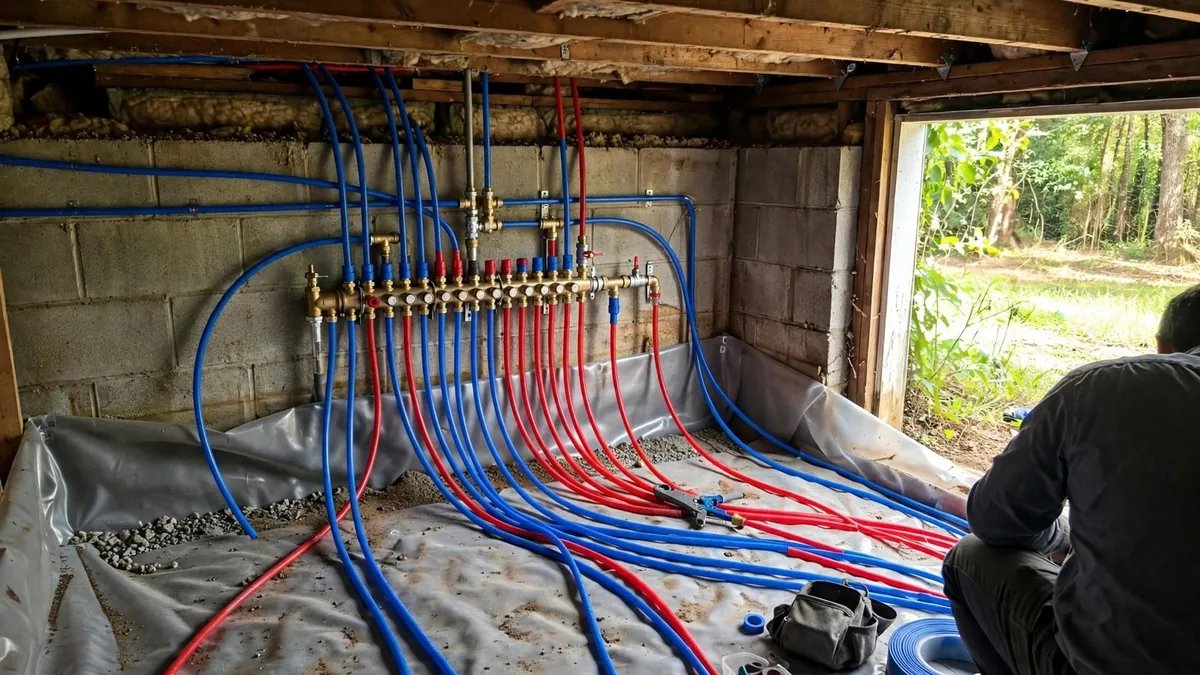
Brown water, weak pressure and repeat leaks: when to repipe
These symptoms usually mean the pipe has reached its limit.
Brown or rust-colored water
Galvanized steel corrodes from inside. Water that runs clear after a minute is a classic sign.
Weak pressure at older fixtures
Mineral and rust buildup narrow the pipe and choke flow.
Pinhole leaks in different places
Thinning pipe fails at many points. Each patch only moves the failure.
Gray plastic pipe
Polybutylene was used in some homes from roughly 1978 to 1995 and is known for fitting failures.
Materials compared
Each material has trade-offs in cost, lifespan and installation.
| Material | Strengths | Trade-offs |
|---|---|---|
| Copper | Long record, handles heat | Higher material cost, joints soldered |
| PEX | Flexible, fewer fittings, quick install | Not for outdoor sun exposure |
| CPVC | Lower cost, rigid | More joints, brittle with age |
South Carolina's plumbing code, the International Plumbing Code (IPC) with state modifications, allows all three for supply lines.
Tired of patching the same pipes?
Call and describe the repairs you have already made. That history guides the quote.
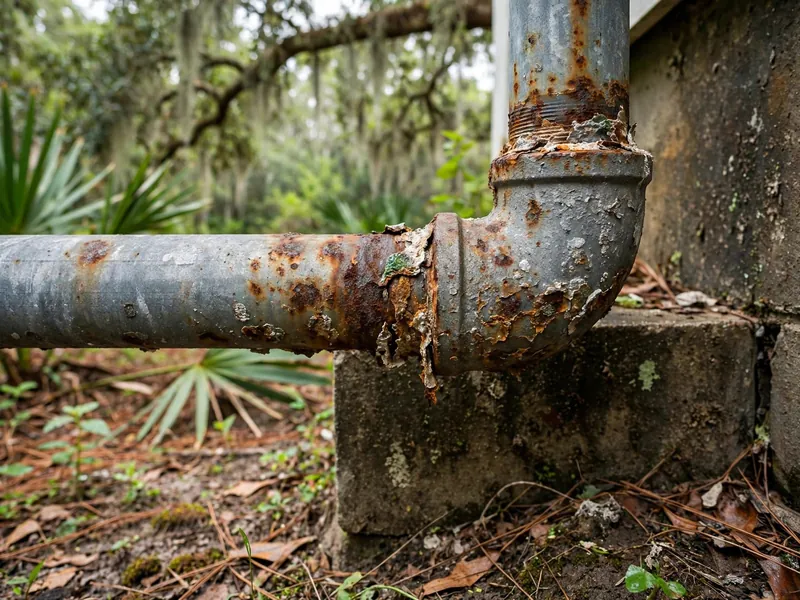 Before
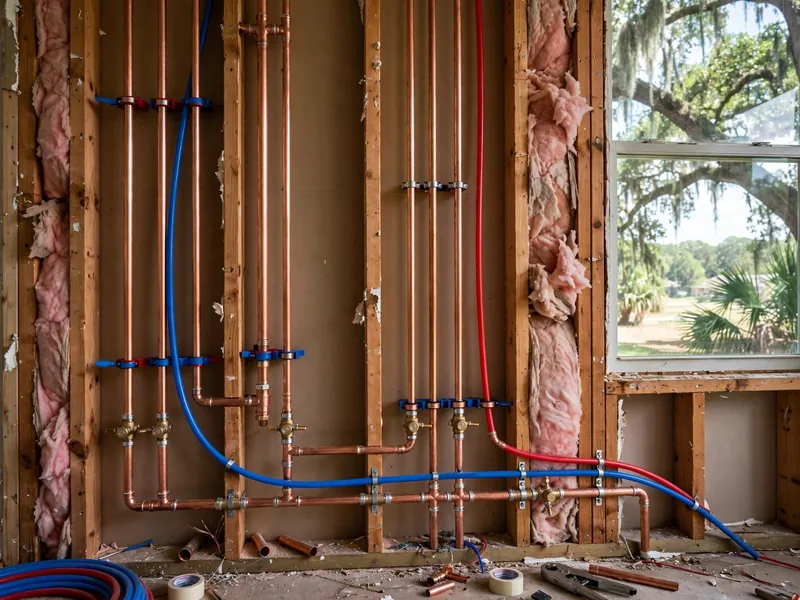 After
AfterWhat a repipe involves
The crew shuts off the water, opens small access holes in walls or ceilings, and runs new lines to every fixture. PEX can often be fished through walls with fewer openings. Most homes are done in a few days, with water off for part of each day.
Drywall patches are part of the job, and paint is usually separate. Ask what is included before you sign, and plan where you will cook and bathe during the work.
Which Columbia-area homes repipe most
Forest Acres houses built from the 1950s often still carry galvanized supply, and galvanized pipe commonly lasts 40 to 50 years. The mill-village blocks of West Columbia and the postwar housing in Cayce raise the same question.
In Irmo, homes from the late 1970s through the mid-1990s are the ones to check for gray polybutylene near the water heater.
Chloramine and your new pipes
Columbia Water disinfects with chloramine, and its water is soft. Both facts are compatible with copper, PEX and CPVC. Rubber washers and seals are the parts that suffer, so ask for chloramine-resistant fittings and flappers during a repipe.
Questions to ask before choosing a repipe contractor
A repipe is a large job. These questions help you compare quotes fairly.
- What material and why? Copper, PEX and CPVC each suit different homes.
- How many openings in the walls? PEX can often be fished with fewer holes.
- Who patches and paints? Ask what is included.
- How long is the water off? Plan for showers and cooking.
- What is the warranty? Get the term and terms in writing.
Living through a repipe
Expect water off for part of each day, some dust, and a crew in the house. Clear wall access in closets and under sinks, move valuables, and tell the crew about pets. Most families manage by keeping a few gallons of drinking water and using a nearby place to shower on the busiest day.
Repiping in the old and new halves of the Midlands
Galvanized supply lines can turn up in mid-century Richland County neighborhoods like Forest Acres, and gray polybutylene can turn up in Irmo homes near Lake Murray and in Lexington County homes built from roughly 1978 to 1995. Columbia Water is soft and uses chloramine, which is why rubber seals matter in new fittings. Ask the county or city about a permit before the walls open.
Repiping galvanized houses and 1980s plastic
Houses in Shandon, Earlewood and Elmwood Park from the early 1900s often still carry galvanized steel supply lines, which close up with scale from the inside. Subdivisions in Northeast Columbia from the late 1970s into the 1990s may instead have gray polybutylene.
Both cases end the same way. When leaks repeat, a planned repipe on a schedule you set costs less than ceilings opened one at a time.
What changes the price of a repipe
Repiping is priced by the size of the house and how hard the pipe is to reach.
Insurance does not cover repiping for wear. A pipe that burst and caused damage is a different claim.
Want your real number? Call (844) 981-1691 and mention number of fixtures and home layout.
Related jobs inside a repiping plan
To locate a single failure first, see leak detection. For the line outside the house, water line repair covers the meter-to-house run.
Repiping questions
A magnet sticks to galvanized steel and not to copper. Rust-colored water and weak pressure support the diagnosis.
Many homes take a few days. Larger houses or tricky layouts take longer.
Usually not. Water is off for part of each day and returns by evening.
Not every house has had trouble, but fitting failures are well known. Many owners replace it before it leaks.