A note on what this page is
This is general information, not insurance or legal advice. Policies differ by company, state and endorsement. Your policy and your agent decide what is covered. The goal here is to help you ask better questions and keep better records.
Sudden versus gradual
Most homeowners policies cover damage from a sudden and accidental event, such as a supply line that bursts and floods a room. Many exclude damage from long-term leaking, seepage or wear and tear, since those are seen as maintenance problems.
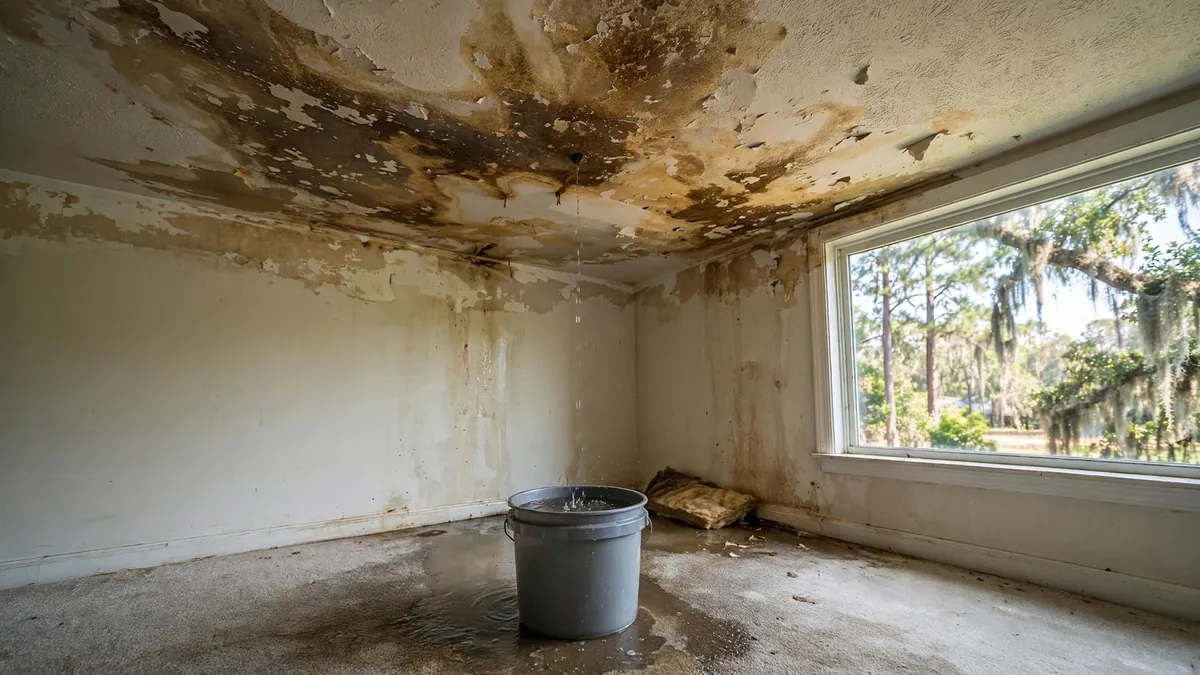
That one distinction explains most claim outcomes. A pipe that bursts on Tuesday is a different claim from a drip that has stained a ceiling for a year. The wording in your policy around continuous or repeated seepage is worth reading.
Found a leak and not sure what to do first?
Call. We document the failure while you contact your insurer.
How common leak types are typically treated
Policies vary. This table shows common patterns, not promises.
| Event | Resulting damage | The pipe itself |
|---|---|---|
| Sudden burst supply line | Often covered, with limits | Usually not covered, cost of repair is yours |
| Slab leak found early | May be covered if sudden, check access terms | Usually not covered |
| Slow hidden leak over months | Often excluded | Not covered |
| Appliance hose failure | Often covered | Hose replacement not covered |
| Sewer backup | Needs a special endorsement | Line repair not covered |
| Flood from outside | Needs a separate flood policy | Not covered by standard policy |
Slab leaks need special attention
Slab leaks are hard to classify. The pipe fails in a place nobody can see, and the damage can build up for a long time. Some policies cover the cost of tearing out part of the slab to reach the leak, and others do not. Ask your agent about access and tear-out language before you need it.
Keep the evidence: the meter readings, the detection report and the plumber's written explanation. Our page on slab leak detection and repair explains what that report should show, and homes in places like Forest Acres are typical examples of slab-and-older-pipe houses.
What to document
Good records speed claims and reduce disputes.
- Photographs and video. Capture the damage before you move or throw out anything.
- A written cause from the plumber. The invoice should say what failed and why.
- Dated meter readings. They show when the loss began.
- A list of damaged belongings. Include age and approximate value.
- Receipts for emergency steps. Mitigation costs are often part of the claim.
Your duty to limit the damage
Policies commonly require you to take reasonable steps to prevent further damage, such as shutting off the water and starting drying. Waiting can reduce what a policy pays. Our pages on burst pipe repair and water mitigation explain the first-day steps.
Keep receipts and notes from any emergency work, and tell your insurer early. They can tell you what they will want to see and sometimes recommend steps.
Deductibles and whether to file
A small loss may cost less than your deductible, and a claim can raise your premium or affect renewal. Before you file, get a repair estimate and compare it with the deductible. Your agent can tell you how claims are recorded and what a no-claim inquiry looks like.
Do not delay mitigation to decide. Stop the water and start drying, and keep the receipts, because those costs often count toward the claim whether you file now or later.
Working with an adjuster and a restoration company
The insurer, the contractor and you each have a role.
- Report the loss promptly. Most policies require timely notice.
- Ask what documentation the adjuster wants. Photos, moisture logs and invoices are typical.
- Get written estimates. Both for drying and for repairs.
- Keep the damaged materials if asked. An adjuster may want to see them.
- Read what you sign. Assignment of benefits forms and work authorizations carry consequences.
Prevention that insurers like
Some insurers offer discounts for leak sensors or automatic shutoff valves, and nearly all appreciate a pressure regulator and braided hoses. These devices reduce the chance of a claim and the size of one if it happens.
Even without a discount, the cost of a sensor is small against a flooded floor. Ask your agent which devices they recognize.
Renters, landlords and condo owners
Who holds which policy decides who files. Check your own situation.
| Situation | Usually covers | Usually does not |
|---|---|---|
| Renter with renters insurance | Your belongings and some living expenses | The building or the pipes |
| Landlord with a rental policy | The building structure | The tenant's belongings |
| Condo owner | Interior finishes and belongings, depending on the master policy | Shared pipes inside walls, which the association handles |
| Homeowner | The structure and belongings, subject to exclusions | Wear, long-term seepage and flood |
In a rental, report a leak to the landlord in writing as soon as you notice it. Written notice protects you and starts the repair clock.
Numbers worth checking in your policy
Homeowners deductibles commonly range from several hundred dollars to a couple of thousand, and some policies set a separate, higher deductible for wind or water. Flood coverage through the National Flood Insurance Program generally carries a 30-day waiting period before it starts. Read the declarations page for your deductible, your dwelling limit and the sewer backup limit if you have one.
Questions to ask your agent today
A call before a loss costs nothing.
- Do I have sewer backup or water backup coverage? Many policies need an endorsement.
- How is a slab leak handled? Ask about tear-out and access.
- What is my deductible for water damage? Some policies have separate deductibles.
- Do I have flood coverage? A separate policy is usually required, often with a waiting period.
- What does the policy say about long-term seepage? Ask for the exact exclusion wording.
Insurance and leak questions
It can, depending on the insurer and your history. Ask your agent before deciding whether to file.
Usually the cost of repairing the failed pipe is not covered, while resulting damage may be.
No. Stop the water and protect the property right away, and keep records.
Stop the water first, then call both. The plumber documents the failure and repairs the pipe, and your insurer tells you what it needs to see. Keep all receipts, because emergency costs are often part of the claim.
It depends on the policy. Many cover resulting damage from a sudden leak and some cover tearing into the slab to reach it, while almost none pay to replace the failed pipe. Ask your agent for the exact wording on access and seepage.
Ask for the denial in writing with the specific policy language. You can request a review, submit more documentation such as the plumber's cause statement, and contact your state insurance department if you believe the decision is wrong.